“Grain shape” search results (400)

El Salvador Coffee Variety types El Salvador Coffee production conditions
Coffee (Xoffea arabica Linn) Coffee is a perennial evergreen shrub or small tree of Rubiaceae. It is a horticultural perennial cash crop with the characteristics of fast growth, high yield, high value and wide market. Wild coffee trees can grow to a height of 5 to 10 meters, but coffee trees planted on the manor are often cut to a height of less than 2 meters in order to increase the amount of fruit and facilitate harvesting.
2016-05-29 El Salvador coffee variety type production conditions
Types and varieties of coffee
Coffee is a plant belonging to the genus Coffea in the Rubiaceae family. According to Chevalier (1947), the genus Coffea is divided into four groups with 66 species, including 24 species in Eucoffea group, 18 species in Mascarocoffea group, 13 species in Paracoffea group and 11 species in Argocoffea group
2014-07-04 Coffee knowledge coffee types coffee varieties coffee encyclopedia
Refreshing Yemeni coffee flavor, characteristics, taste and manor
Yemeni coffee originated from Arabian coffee trees hundreds of years ago, all produced in areas above 3000 feet above sea level. For hundreds of years, the unique planting and production methods of Yemeni coffee have remained almost unchanged. The seedlings of Yemeni coffee trees are first cultivated in nurseries and then transplanted to high elevations. Pesticides and fertilizers are not used in the breeding process. Mature coffee beans are naturally dried on coffee trees and shelled by stone grinding.
2016-08-30 Refreshing Yemeni coffee flavor specialty taste manor Yemen
The latest introduction of Yemeni coffee boutique coffee
Yemeni coffee originated from Arabian coffee trees hundreds of years ago, all of which are produced in areas above 3000 feet above sea level. For hundreds of years, the unique planting and production methods of Yemeni coffee have remained almost unchanged. The seedlings of Yemeni coffee trees are first cultivated in nurseries and then transplanted to high elevations. Pesticides and fertilizers are not used in the breeding process. Mature coffee beans are naturally dried on coffee trees and shelled by stone mill.
2015-12-02 Yemen coffee boutique introduction latest origin hundreds
Three steps to buy coffee beans
1. Grab a handful of coffee beans and feel whether they are solid beans with the palm of your hand. 2. Whether it is enough to smell the aroma close to the nose. 3. Put a bean into your mouth and bite it twice. There is a clear sound indicating that the bean is well preserved and not damp. If you want to buy a single product of coffee beans, grab one in the palm of your hand, in addition to the above judgment, but also take a look at the color of each bean.
2014-08-25 Shopping coffee beans steps a handful palms feeling whether real
Yemeni coffee flavor Yemeni coffee characteristics Yemeni coffee taste
Yemeni coffee originated from Arabian coffee trees hundreds of years ago, all produced in areas above 3000 feet above sea level. For hundreds of years, the unique planting and production methods of Yemeni coffee have remained almost unchanged. The seedlings of Yemeni coffee trees are first cultivated in nurseries and then transplanted to high elevations. Pesticides and fertilizers are not used in the breeding process. Mature coffee beans are naturally dried on coffee trees and shelled by stone grinding.
2016-08-29 Yemen coffee flavor characteristics taste origin hundreds years ago
A few steps to buy coffee beans
1. Grab a handful of coffee beans and feel whether they are solid beans with the palm of your hand. 2. Whether it is enough to smell the aroma close to the nose. 3. Put a bean into your mouth and bite it twice. There is a clear sound indicating that the bean is well preserved and not damp. If you want to buy a single product of coffee beans, grab one in the palm of your hand, in addition to the above judgment, but also take a look at the color of each bean.
2014-07-11 Coffee knowledge buying coffee beans coffee bean selection coffee encyclopedia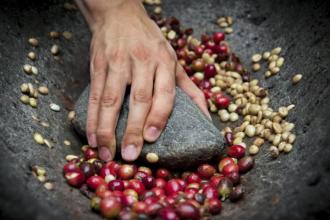
Refreshing and refreshing Yemeni coffee flavor, characteristics, taste and manor
Yemeni coffee originated from Arabian coffee trees hundreds of years ago, all produced in areas above 3000 feet above sea level. For hundreds of years, the unique planting and production methods of Yemeni coffee have remained almost unchanged. The seedlings of Yemeni coffee trees are first cultivated in nurseries and then transplanted to high elevations. Pesticides and fertilizers are not used in the breeding process. Mature coffee beans are naturally dried on coffee trees and shelled by stone grinding.
2016-08-30 Refreshing refreshing endless aftertaste Yemen coffee flavor specialty mouth
Introduction of varieties of Kilimanjaro Coffee Flavor description and Grinding degree treatment in Tanzania
Tanzania's main coffee producing area, located at the foot of Mount Kilimanjaro, is rich in volcanic soil. Some coffee trees planted here are more than 100 years old. Coffee was first introduced by Christians from Kenya to grow coffee. Coffee trees must be carefully taken care of, weeded and fertilized. And old branches must be cut off so that new branches can grow to maintain the quality of coffee beans.
2016-10-11 Tanzania Kili Mazar Luo coffee coffee flavor description grinding characteristics
Coffee tree history coffee morphological characteristics coffee cultivation techniques
Coffee tree is a shrub or small tree of Rubiaceae; leaves opposite, leathery, long oval; every March, branches will emerge white flowers, petals spiral arrangement, flower center around the petals jump, a closer look, really like childhood play with the small windmill, issued bursts of jasmine fragrance; fruit is oval, berry, dark red, hidden two seeds, that is, we are familiar with coffee
2016-05-26 coffee history morphological characteristics cultivation techniques
The flavor and taste of Sidamo Coffee Manor Ted Manor
From the bean shape, this bean is a typical Ethiopian, small grain, the size is not very uniform, and the color is the characteristic of typical sun treatment, so it is specially compared with Harald to have the most direct grasp of the coffee flavor) to ensure the quality of each batch. Before the harvest season, Trabocca invites selected smallholder organizations / producers to participate in the production of micro-batches of coffee (about 1500
2016-07-15 Dharma Coffee Manor producing area Flavor palate introduction Ted beans
Fragrant Yemeni mocha coffee production method taste introduction of Yemeni coffee beans
There are many varieties of Yemeni coffee, most of which are named after their origin and type, with different flavors, such as fresh wood, tobacco, musk, fruit wine, roasted nuts, cocoa and warm seasonings, especially Moha coffee. At present, Yemeni Moha coffee is the most famous Yemeni Moha coffee on the market, such as Isemary, Matari, Sanani and so on. Sanani coffee has medium grain size and fruit wine style.
2016-07-16 Fragrance fragrance Yemen mocha coffee making way taste introduction coffee beans
Tiebikadi, Katie, pickup, iron pickup.
Typica (Typica) is the species name of coffee beans, and it is one of the oldest varieties of Arabica. Iron pickup, also known as the old variety of small-grain coffee, its yield is less, cultivation is difficult, so the price is much higher than ordinary small-grain coffee. Tibica coffee is native to Ethiopia.
2014-09-17 Tibika Tibica Tippica
Introduction of Coffee Tree species
Typica (Typica) is the species name of coffee beans, and it is one of the oldest varieties of Arabica. Iron pickup, also known as the old variety of small-grain coffee, its yield is less, cultivation is difficult, so the price is much higher than ordinary small-grain coffee. Tibica coffee is native to Ethiopia.
2014-07-22 Coffee tree species coffee tree species classification coffee encyclopedia coffee knowledge
What is a pea coffee bean?
What is a pea coffee bean? Pea-type coffee beans (also known as caracoles) are small round bean-shaped fruits, the shape of coffee beans are usually two halves, but this bean is a whole grain, long in the center of the coffee fruit. Pea coffee beans are usually separated from the regular beans and sold as distinct coffee beans. They are popular in Japan at an expensive price
2015-09-10 boutique coffee common sense what pea type coffee beans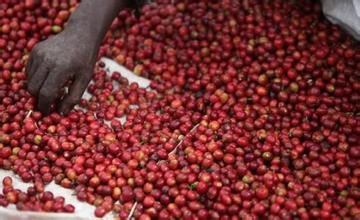
Refreshing, giving people an endless aftertaste of Yemeni coffee flavor, characteristics, taste and manor
Yemeni coffee originated from Arabian coffee trees hundreds of years ago, all produced in areas above 3000 feet above sea level. For hundreds of years, the unique planting and production methods of Yemeni coffee have remained almost unchanged. The seedlings of Yemeni coffee trees are first cultivated in nurseries and then transplanted to high elevations. Pesticides and fertilizers are not used in the breeding process. Mature coffee beans are naturally dried on coffee trees and shelled by stone grinding.
2016-08-30 Refreshing refreshing endless aftertaste Yemen coffee flavor specialty mouth
Morphological characteristics of Coffee
Coffee tree is a shrub or small tree of Rubiaceae; leaves opposite, leathery, long ovate; every March, the branches will appear white flowers, petals spirally arranged, the heart of flowers jump around the petals, take a closer look, it is really like a small windmill playing in childhood, emitting the fragrance of jasmine; the fruit is oval, berry, crimson, containing two seeds, that is, coffee beans we are familiar with
2014-07-14 Coffee knowledge coffee encyclopedia coffee common sense
Introduction of Coffee Tree species Tibikadi Katie pickup truck
Typica (Typica) is the species name of coffee beans, and it is one of the oldest varieties of Arabica. Iron pickup, also known as the old variety of small-grain coffee, its yield is less, cultivation is difficult, so the price is much higher than ordinary small-grain coffee. Tibica coffee is native to Ethiopia.
2015-04-17 Coffee grower introduction Tippi Tibby pickup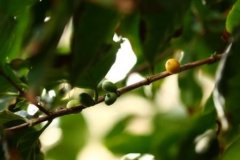
What conditions do you need to grow coffee trees?
Coffee is a perennial evergreen shrub or small tree of Rubiaceae. It is a horticultural perennial cash crop with the characteristics of fast growth, high yield, high value and wide market. Wild coffee trees can grow to a height of 5 to 10 meters, but coffee trees planted on the manor are often cut to a height of less than 2 meters in order to increase the amount of fruit and facilitate harvesting. The opposite leaves of coffee trees are long oval.
2015-11-02 Coffee planting needs what conditions
Tiebika (Typica) Tibicati pickup truck
Tiebika (Typica Tibikati pickup) is the species name of coffee beans and is one of the oldest varieties of Arabica. Iron pickup, also known as the old variety of small-grain coffee, its yield is less, cultivation is difficult, so the price is much higher than ordinary small-grain coffee. Tibica coffee, native to Ethiopia and southeastern Sudan, is the most widely cultivated in the Western Hemisphere.
2014-06-26 Types of coffee coffee beans boutique coffee beans